
Brand strategy goes far beyond logos and colors. Learn what it really means, why it matters, and how to build a brand that lasts.
Introduction
Most people think a “brand” is a logo or a color palette. But a true brand is something far deeper—and more powerful.
When companies focus only on visuals without a clear strategy, they often end up with a pretty facade that lacks substance. A logo can make a good first impression, but strategy is what makes a lasting one.
In a world full of lookalike brands and short attention spans, strategy is what separates forgettable businesses from iconic ones.
At Rembrand, we’ve helped companies go from generic to magnetic by starting with brand strategy—not just surface-level design.
In this article, we’ll break down what brand strategy really is, how it works, and why it should be the foundation of every brand.
Read on, and you’ll walk away with a clearer understanding of what makes brands connect, convert, and endure.
What Is Brand Strategy, Really?
Brand strategy is the intentional, long-term plan for how a brand presents itself to the world, communicates its value, and builds relationships with its audience.
It’s not just a marketing tactic—it’s a business discipline that aligns internal culture with external perception.
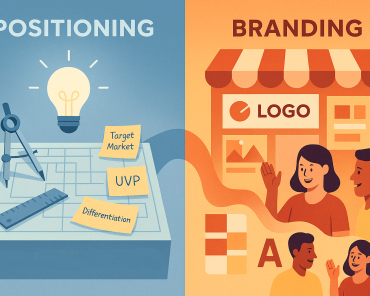
Think of it this way: your brand strategy is the blueprint. Your visual identity (logo, colors, typography) is the architecture. Without a blueprint, even the best architecture falls flat.
A strong brand strategy ensures that every touchpoint—from your website to your social posts to your sales pitch—tells a consistent, compelling story.
Why Brand Strategy Is More Than Visual Identity
Let’s bust the myth: branding is not just a logo.
Yes, visuals matter. But they only work when they’re grounded in something deeper.
When companies skip the strategy and jump straight to design, they often end up with brands that look good but say nothing. They struggle to stand out, resonate, or be remembered.
We’ve seen startups invest heavily in beautiful visual design, only to realize later that they have no clear message, no defined audience, and no direction.
The result? Confusion. Inconsistency. Missed opportunities.
Your visuals are the surface. Strategy is the soul.
The Core Components of a Brand Strategy
A solid brand strategy is built on a few key pillars:
1. Brand Purpose
Why does your brand exist beyond making money? What change are you trying to create?
2. Target Audience
Who are you here to serve? What do they care about? What problems are you solving?
3. Positioning
How do you differentiate from competitors? Why should someone choose you over others?
4. Messaging
What’s your voice? Your tone? What language do you use to connect with your audience?
5. Brand Personality
If your brand were a person, how would it act, speak, and show up in the world?
6. Brand Values
What principles guide your decisions and define your culture?
These components work together to create alignment, clarity, and emotional resonance. When defined well, they act as your brand’s north star.
How Brand Strategy Drives Business Results
Still wondering if strategy is worth the time? Here’s what it unlocks:
- Alignment across teams: Marketing, sales, product, and leadership all pulling in the same direction
- Emotional connection: Customers don’t just buy what you do—they buy into why you do it
- Increased value perception: Strong brands can command higher prices
- Faster decision-making: A clear brand strategy speeds up everything from messaging to design to hiring
According to Lucidpress, consistent brand presentation across all platforms can increase revenue by up to 23%.
In short: brand strategy isn’t a “nice to have”. It’s a competitive advantage.
Conclusion
Brand strategy is the engine behind every great brand. It defines who you are, who you serve, and how you show up.
Without it, your brand might look good on the outside—but it won’t have the clarity or cohesion to grow.
If you want a brand that lasts, resonates, and drives real results, don’t start with the logo. Start with strategy.
Take a moment to audit your own brand. Do you have a clear purpose? Defined positioning? A consistent voice? If not, it may be time to dig deeper.
Design can capture attention. But strategy is what keeps it.