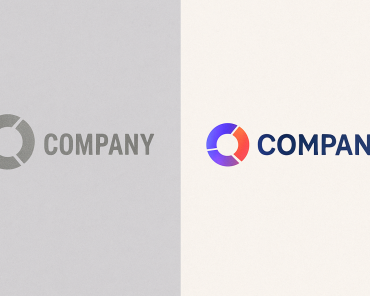

Is your brand holding you back? Learn the 7 signs it might be time for a rebrand—and how to approach the process with clarity and confidence.
Introduction
Your brand is one of your business’s most valuable assets—but even the best brands need to evolve.
When your brand no longer aligns with your vision, audience, or offering, it can create confusion and missed opportunities.
The challenge? Many business leaders feel the disconnect before they can clearly articulate it.
At Rembrand, we’ve guided dozens of companies through rebrands rooted in strategy, not just aesthetics. We know the signs that signal it’s time for a change.
In this article, we’ll help you recognize when a rebrand is necessary and show you how to approach it with purpose and confidence.
What Is a Rebrand, Really?
Let’s start with what a rebrand is—and isn’t.
A rebrand isn’t just a new logo or website. It’s a strategic reset. It can be:
- Evolutionary: A refined update that builds on your current brand
- Revolutionary: A complete overhaul to reflect a major shift
Rebranding can involve:
- Rearticulating your brand purpose
- Rethinking your positioning and messaging
- Redesigning your visual identity
- Reintroducing your brand to your audience
It’s a response to change—whether that change is internal (new leadership, product evolution) or external (market shifts, new competition).
🧠 Takeaway: A rebrand is about alignment. When your brand no longer reflects who you are or where you’re going, it’s time to rethink it.
7 Signs It’s Time to Rebrand
Rebrands aren’t always obvious. But these signs are clear indicators that it might be time.
1. Your Brand No Longer Reflects Your Business
You’ve evolved. Your offerings have changed. But your brand is stuck in the past.
If your brand identity doesn’t match who you are today, it’s sending the wrong message.
2. You’re Attracting the Wrong Audience
Are you consistently fielding inquiries from people who aren’t your ideal customers? Your messaging and visuals might be drawing the wrong crowd.
3. Your Visuals Feel Outdated or Inconsistent
Design trends move fast. More importantly, inconsistent branding across platforms erodes trust. If your visuals look like they were created in another era—or by five different teams—it’s time.
4. Your Brand Blends In, Not Stands Out
You’re in a competitive space. If your brand doesn’t differentiate you, it disappears. Rebranding can help clarify and elevate your positioning.
5. You’ve Expanded Offerings or Entered New Markets
Growth is great. But if your brand was built for who you were, not who you are now, it needs to catch up.
6. You’ve Undergone a Major Pivot or Shift
New leadership. New focus. A business pivot. These all warrant a fresh brand strategy to match your new direction.
7. You Feel Embarrassed to Share Your Brand
This one’s emotional—and telling. If you hesitate to send someone to your site or hand over your business card, listen to that instinct.
🧠 Takeaway: If two or more of these resonate, it’s worth exploring a rebrand.
What NOT to Do When Rebranding
If you decide to rebrand, avoid these common missteps:
- Don’t rebrand just to “look cooler.” Design without strategy is decoration.
- Don’t chase trends. What’s in today may look outdated tomorrow.
- Don’t ignore your audience. Rebranding should serve your customers, not just your internal team.
- Don’t skip internal alignment. If your team doesn’t understand or believe in the new brand, it won’t stick.
🧠 Takeaway: A strategic rebrand is thoughtful, intentional, and aligned with your business goals.
How to Approach a Strategic Rebrand
Ready to rebrand? Here’s how to do it right:
- Start with a brand audit
Identify what’s working, what’s outdated, and where the gaps are. - Clarify your brand foundation
Define your purpose, audience, positioning, values, and personality. - Involve the right stakeholders
Your leadership, team, and even loyal customers can offer invaluable insights. - Rebuild from the inside out
Start with messaging. Then align your visual identity and brand assets. - Communicate the “why”
Tell the story behind the change to bring people along.
🧠 Takeaway: The best rebrands don’t just change how you look—they change how you lead.
Conclusion
Rebranding isn’t about fixing what’s broken. It’s about evolving what’s working—and aligning it with where you’re going.
If your brand doesn’t reflect your business, resonate with your audience, or differentiate you from competitors, it might be time.
At Rembrand, we believe rebranding should never be cosmetic. It should be strategic, thoughtful, and future-focused.
Start by asking the hard questions. And if you’re ready to explore what’s next, we’re here to guide you.